Military Incremental Complex
Manufacture weapons, automate production, research upgrades, and invest in stocks.
About the game
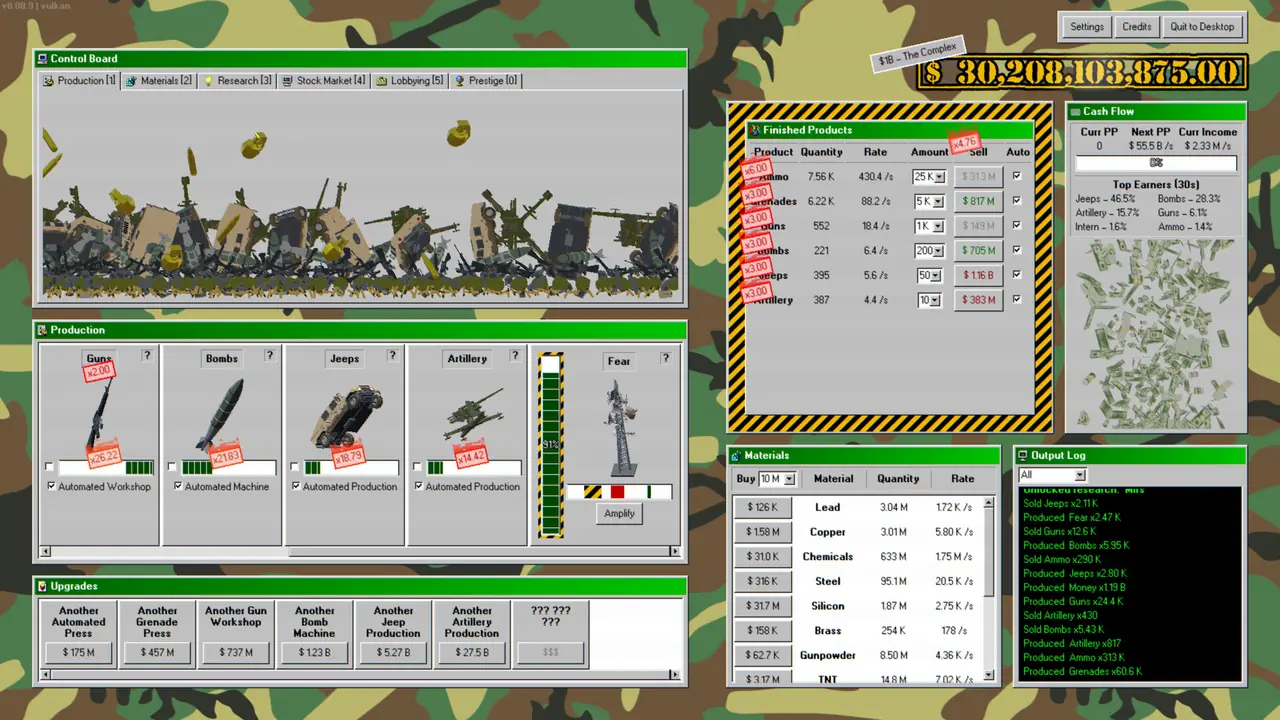
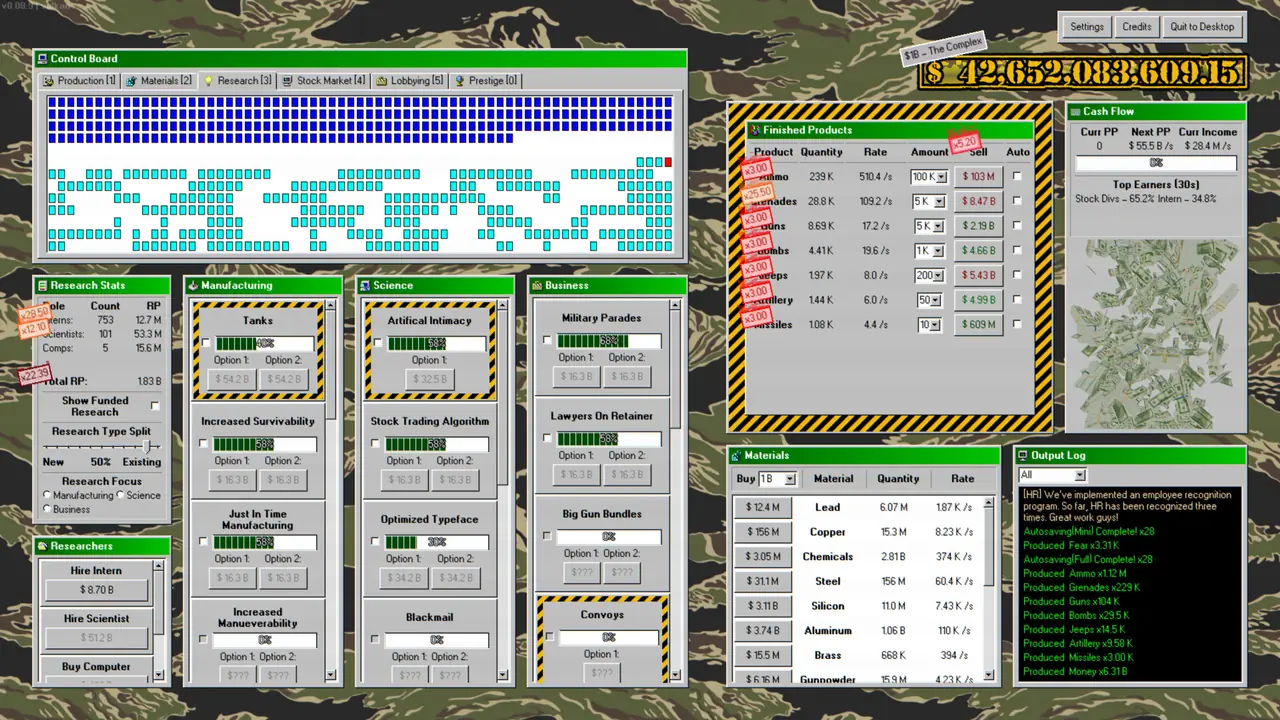
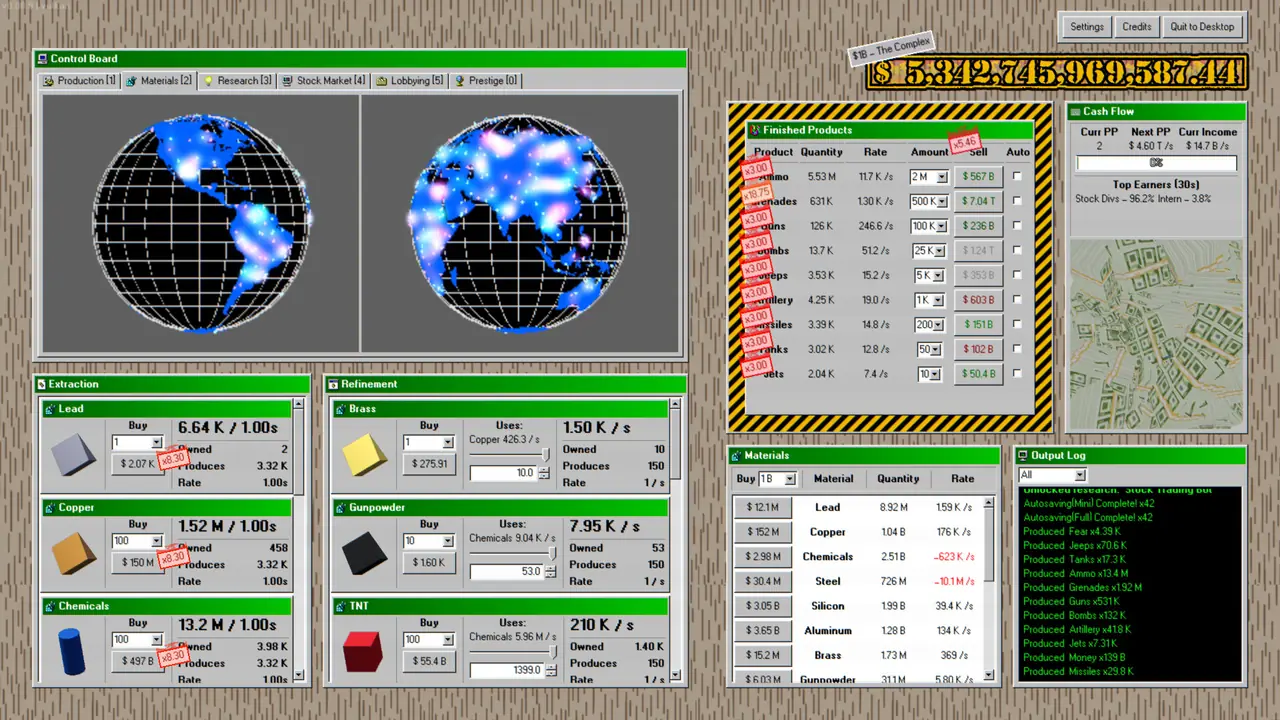
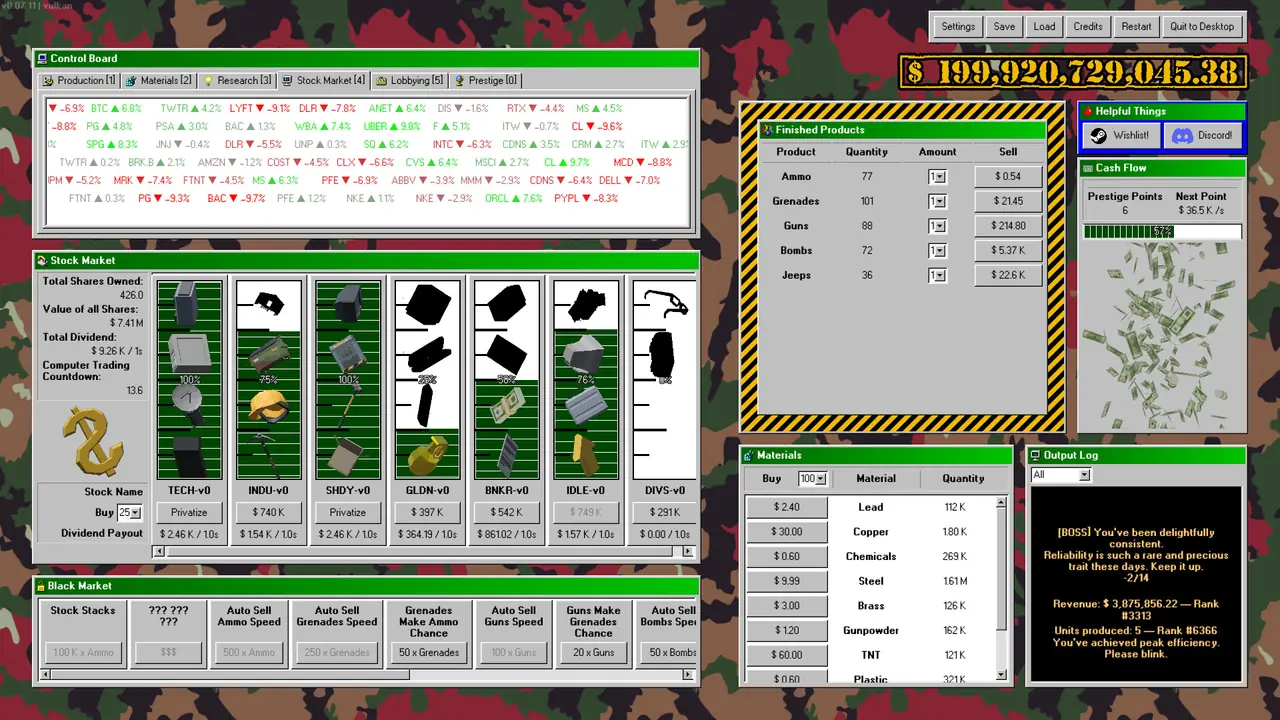
An incremental game where the player builds a weapons manufacturing company, starting with hand-made bullets and scaling up to factories producing guns, tanks, planes, and nukes. Gameplay centers on automating production, researching upgrades, managing a global supply chain of raw materials, and investing in the stock market. Players can also lobby the government for favors and prestige to unlock new abilities for subsequent runs.
How it plays
Camera comfort
Steam feature: Camera Comfort
Separate volume controls
Steam feature: Custom Volume Controls
Market timing
Store description: “Enter the stock market to earn passive dividends”
Mouse only
Steam feature: Mouse Only Option
No timed inputs
Steam feature: Playable without Timed Input
Production chains
Store description: “Set up mining operations around the world to extract raw resources, buy factories to refine them into useful materials”
Save anytime
Steam feature: Save Anytime
Research & tech tree
Store description: “Research new products, faster and cheaper ways to make them”
Upgrade loop
Store description: “120+ research upgrades to maximize return”
What it’s about
1990sAutomationBusiness & economyCapitalismCasualIdle & incrementalIncrementalManagementMilitarySimulationWar & military factoriesgovernmentmaterialsstock marketweapons
Games like this
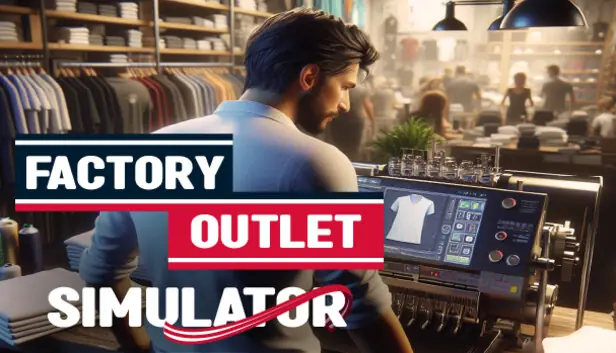
Factory Outlet Simulator
Source materials, run factory production, design products, and sell them in an outlet store.
Why it’s similar: Shares inventory management, capitalism, market timing
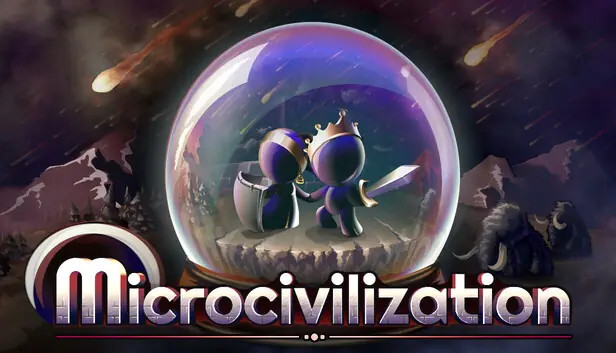
Microcivilization
Click to grow population, research tech, and overcome crises across historical ages.
Why it’s similar: Shares inventory management, automation, resource management

Berserk B.I.T.S
Send an auto-battling companion on missions while collecting and playing battle chips.
Why it’s similar: Shares capitalism, automation, idle & incremental
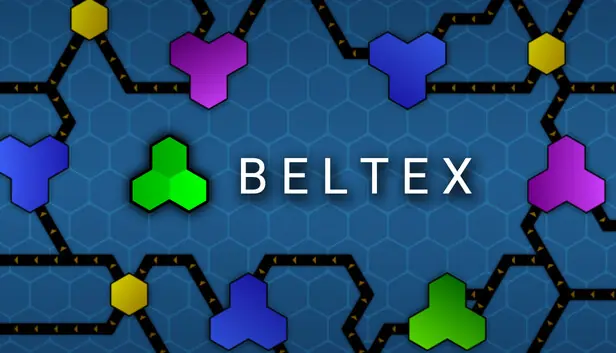
Beltex
Extract numbers, combine them mathematically, deliver them via belts to a core.
Why it’s similar: Shares automation, production chains, resource management
Screenshots